

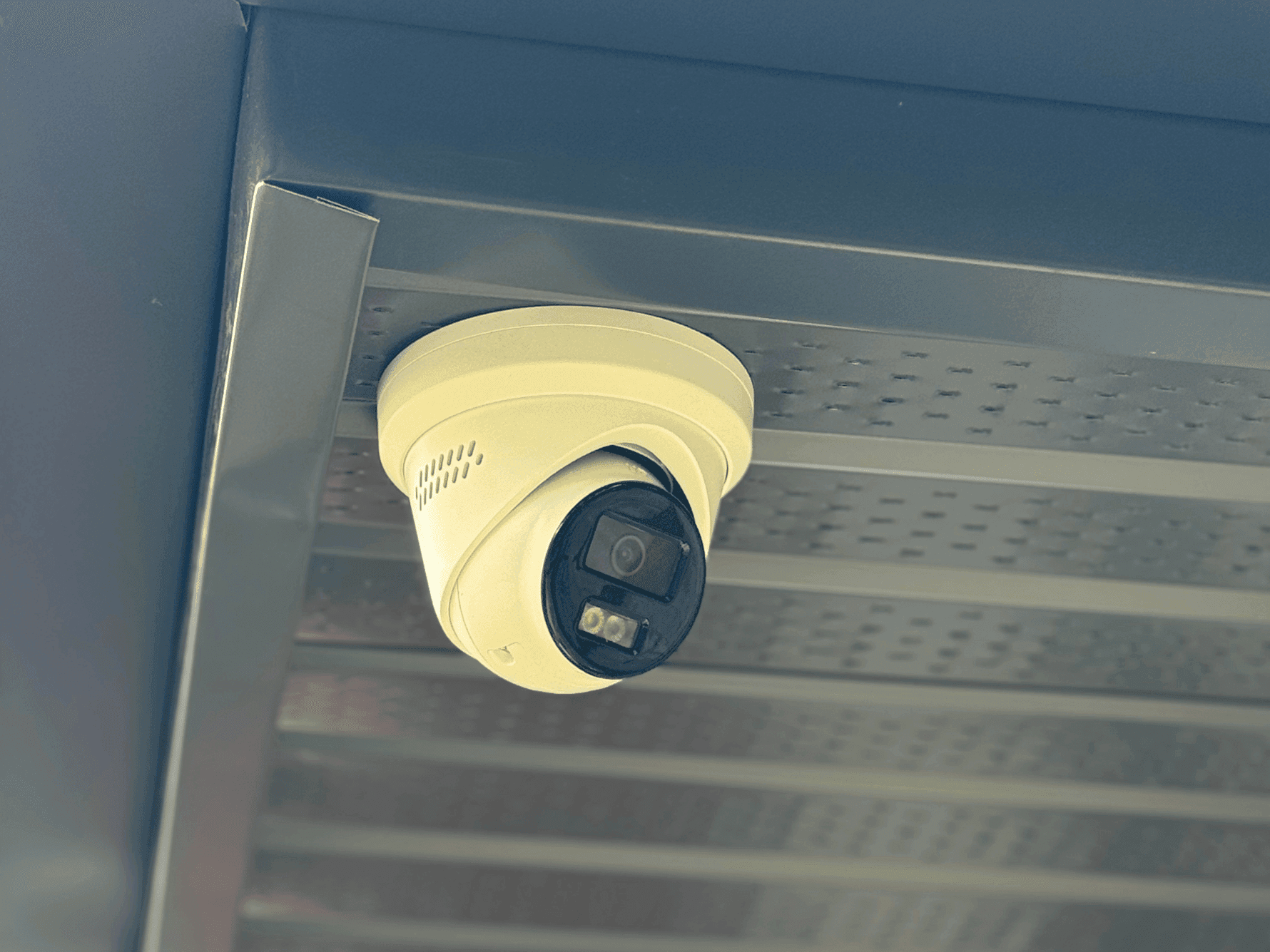
Residential Security Camera Laws in Ontario: What Homeowners Should Know
Security cameras are now common around Ontario homes. They can help homeowners monitor entrances, driveways, garages, and other areas around their property. But before installing a camera, it is important to think about privacy, camera placement, and what the system is actually recording. The rules can depend on the situation. A homeowner monitoring their own property is different from a business, landlord, condominium corporation, or government organization using surveillance cameras.
Can You Install Security Cameras at Your Home in Ontario?
Homeowners can generally use security cameras for legitimate security purposes. The important part is how the cameras are positioned and used. A camera covering your own front entrance or driveway is different from one deliberately aimed into a neighbour’s home or another private area. When planning a system, the best approach is to focus the cameras on areas that are relevant to protecting your property and avoid collecting more information than necessary.
Where Can You Point a Security Camera?
Camera placement is one of the most important privacy considerations. An outdoor camera may naturally capture part of a sidewalk, street, neighbouring property, or people passing by. That does not necessarily mean the camera is being used improperly. What matters is whether the camera is reasonably focused on the area you actually need to monitor. Homeowners should avoid intentionally pointing cameras into private areas such as a neighbour’s windows or backyard where people may expect privacy. Privacy zones and camera adjustment features can also help limit areas that do not need to be recorded. The Office of the Privacy Commissioner of Canada recommends minimizing unnecessary collection and avoiding camera placement that captures areas where people have a heightened expectation of privacy.
Can Your Camera Record Your Neighbour’s Property?
This is one of the most common questions homeowners have. If a camera is installed to monitor your driveway, it may capture a small portion of the neighbouring property or sidewalk. That can be difficult to avoid completely. The concern is greater when a camera is deliberately positioned to watch a neighbour’s private activities. A practical solution is to adjust the camera angle or use built-in privacy masking so that unnecessary areas are excluded from the recording.
What About Audio Recording?
Audio deserves special attention. Some security cameras include microphones that can record conversations in addition to video. This can create privacy concerns that are different from simply recording images. If you do not need audio for your security purpose, consider disabling the microphone. The Office of the Privacy Commissioner of Canada specifically recommends that sound not be recorded unless there is a specific need for it in video-surveillance contexts. When choosing a system, check whether audio is enabled by default and whether the camera allows you to turn it off.
Do You Need a Sign for a Residential Security Camera?
There is no simple answer that applies to every residential situation. Signage and notification requirements can depend on who is operating the surveillance system and the circumstances in which personal information is being collected. For example, different considerations can apply to businesses, landlords, and organizations than to a homeowner using cameras around a private residence. The Ontario IPC’s published video-surveillance guidance focuses on institutions subject to Ontario’s public-sector privacy laws and includes considerations such as notification, collection, retention, and disclosure. The IPC currently notes that this guidance is under review because of 2026 legislative changes.
What About Video Doorbells?
A video doorbell is essentially another type of connected camera, so similar privacy considerations are useful. A doorbell may capture visitors, delivery drivers, people walking past the property, or part of the sidewalk. Positioning it primarily toward your entrance can help keep the recording focused on the area you actually want to monitor. If the device offers motion zones or privacy settings, use them to reduce unnecessary recording.
How Long Should You Keep Security Camera Footage?
Homeowners should consider whether they actually need to keep recordings indefinitely. If footage is no longer useful, there is generally little practical reason to keep large amounts of old video forever. If a recording relates to an incident such as theft, vandalism, or property damage, keeping that specific footage may be useful. Retention rules can be different for organizations and businesses that are subject to privacy legislation. Ontario’s IPC guidance for institutions specifically discusses retention and the need to avoid keeping surveillance information longer than necessary for its purpose.
How Do You Protect Security Camera Footage?
Privacy is not only about where a camera points. Connected cameras also need to be protected from unauthorized access. The Office of the Privacy Commissioner of Canada recommends changing default passwords, using strong unique passwords, enabling two-step authentication where available, and securing the home’s Wi-Fi router.
Homeowners should also:
- Keep camera software and firmware updated
- Use a unique password for the camera account
- Enable two-factor authentication when available
- Secure the home Wi-Fi network
- Limit access to people who actually need it
- Review privacy and recording settings regularly
If you are choosing a new system, security features should be considered alongside image quality and other equipment specifications. You can learn more about security camera systems and installation for residential properties.
What If You Live in a Condo or Rental Property?
The situation can be different for tenants and condominium residents. Your lease, condominium rules, or building policies may place additional restrictions on where equipment can be installed, particularly when a camera affects common areas or another resident’s private space. Before mounting a camera outside a condo unit or rental property, check the applicable rules and obtain any permission that may be required.
What About Businesses?
Businesses have additional privacy considerations when security cameras record customers, employees, visitors, or other individuals. The privacy obligations for a business are different from those of a homeowner using cameras around a private residence. If you operate a business, it is worth reviewing the applicable privacy requirements before installing or expanding a surveillance system. For a separate overview, see our guide to security camera laws for businesses in Ontario.
Practical Tips for Ontario Homeowners
Before installing a residential security camera system, consider these simple steps:
- Decide which areas actually need monitoring.
- Position cameras toward your own property where possible.
- Avoid intentionally recording private areas of neighbouring properties.
- Check whether audio recording is enabled.
- Use privacy zones when available.
- Secure your camera accounts and home network.
- Keep software updated.
- Check condo, rental, or other property rules when applicable.
- Keep only the recordings you actually need.
- Review the system from time to time to make sure the cameras are still positioned appropriately.
Final Thoughts
Residential security cameras can be useful for improving awareness around an Ontario home, but good security should also take privacy into account. Before installing a camera, think about what you need to monitor, where the camera will point, whether audio is necessary, and who will have access to the recordings. A properly planned system can provide useful coverage without unnecessarily recording areas that have nothing to do with your security needs. Planning a security camera system for your home? Contact Alarmto to discuss your property and find a setup that fits your security needs.
This article provides general information and is not legal advice. Privacy and surveillance requirements can depend on the specific circumstances. For legal questions about your property or situation, consult a qualified Ontario lawyer or the appropriate privacy authority.