Installing security cameras in a business is not just about deciding how many cameras to buy. Where those cameras are placed can make a big difference in how useful the system actually is. A camera in the wrong location can leave an important area completely uncovered, while a well-positioned camera can provide a clear view of an entrance, parking area, cash counter, or other important part of the property.
Every business is different, so there is no single camera placement plan that works for everyone. The layout of the building, type of business, number of entrances, lighting, parking areas, inventory, and daily activity should all be considered before deciding where cameras should go. A properly planned commercial security camera installation takes these factors into account to make sure the system provides useful coverage where it is needed most.
Entrances and Exits
The main entrance is usually one of the first places to consider. It is where employees, customers, deliveries, and visitors enter and leave the property, so having a clear view of this area can be very useful. The camera should be positioned so it captures people approaching and passing through the entrance without being blocked by the door, signs, or other objects. Businesses with multiple entrances or emergency exits may also need coverage at those locations.
Cash Registers and Checkout Areas
For retail stores, restaurants, and other businesses that handle payments, the area around the cash register can be an important part of the camera plan. A properly positioned camera can provide visibility around the checkout area and help document activity when needed. The camera should be positioned carefully so it covers the area without unnecessarily recording sensitive information such as payment PINs.
Inventory and Storage Areas
Storage rooms and inventory areas are another common location for security cameras. This is particularly important for businesses that keep expensive equipment, valuable products, or large amounts of inventory on site. Instead of simply pointing a camera at shelves, it can be more useful to cover the entrance to the storage area and the paths people use to access the inventory. This can provide better visibility while reducing unnecessary camera coverage.
Parking Lots and Loading Areas
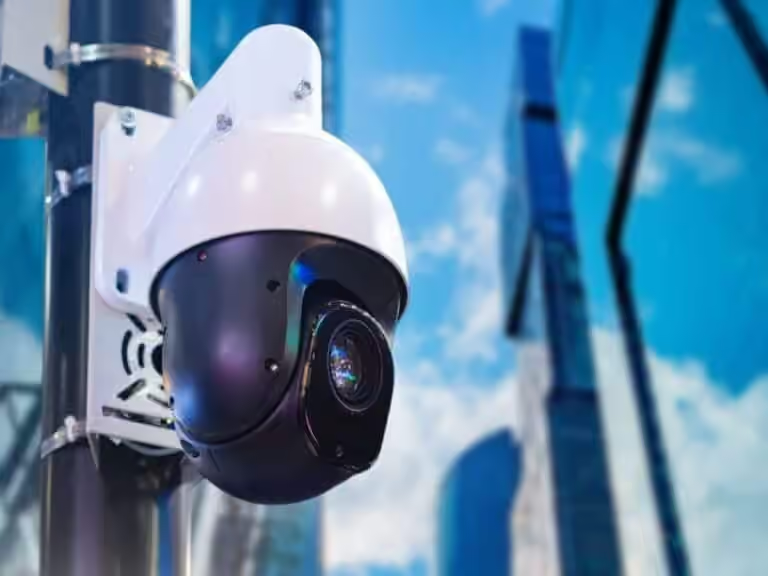
Security concerns do not always stop at the front door. Parking lots, loading areas, and delivery entrances can also be important parts of a business security plan. A camera covering an exterior area can help provide visibility around vehicles, deliveries, loading activity, and entrances that may not be visible from inside the building. Outdoor camera placement also needs to take lighting, weather, distance, and the surrounding environment into account.
Hallways and Common Areas
Depending on the size and layout of the property, hallways and common areas may also require coverage. These areas can connect different parts of a building and may provide access to offices, storage rooms, or restricted areas. The goal is not to put a camera in every hallway. Instead, cameras should be positioned where they provide useful visibility and help reduce important blind spots.
Think About the Whole Property Before Installing Cameras
One of the most common mistakes is choosing camera locations one at a time without looking at the property as a whole. A camera may have a good view from its own position but still leave another important area uncovered. Before installation, it is worth looking at the building from different angles and considering how people move through the property. Lighting is also important. A location that looks fine during the day may have poor visibility at night. The height and angle of each camera matter as well. Installing a camera too high can make it difficult to identify people, while installing it too low can make the camera easier to damage or obstruct.
Indoor and Outdoor Camera Placement
Indoor and outdoor locations have different requirements. Indoor cameras are generally easier to position because they are protected from weather, but furniture, shelving, walls, and lighting can still affect the view. Outdoor cameras need to be positioned with weather, sunlight, nighttime conditions, mounting surfaces, and possible obstructions in mind. Parking lots and building entrances may also require cameras with a wider field of view or better low-light performance.
Avoiding Blind Spots
A good camera system should provide useful coverage rather than simply having a large number of cameras. Adding more cameras does not necessarily solve a problem if they are all looking at similar areas. When planning camera locations, look for places that could be hidden from view because of walls, vehicles, shelving, doors, equipment, or other obstructions. Reviewing the property after the cameras are installed can also help identify areas that may need adjustment.
When Professional Camera Planning Makes Sense
For a small business with a simple layout, choosing camera locations may be relatively straightforward. Larger offices, warehouses, retail stores, industrial properties, and buildings with several entrances can be much more complicated. In these situations, professional planning can help determine where cameras will provide the most useful coverage and how the cameras should connect with the property’s network, recording equipment, and existing security systems. If you are planning a new camera system or replacing an existing one, Alarmto can help assess the property and recommend a practical camera placement plan based on the layout and security requirements.
Final Thoughts
The best security camera placement is not necessarily the one with the most cameras. It is the one that gives you a clear view of the areas that matter most while avoiding unnecessary coverage and blind spots. Start with the entrances, important interior areas, inventory, payment areas, parking, and loading zones, then consider how people actually move through the property. A little planning before installation can make the entire security camera system much more useful.
Review Day and Night Examples
Before finalizing business camera locations, check the detail available at entrances, tills, inventory and parking after dark as well as during opening hours. Avoid recording payment PINs or unnecessary private areas.
For help planning the work, explore commercial camera installation and contact Alarmto with your property and equipment details.
Related reading: Security Camera Privacy for Ontario Businesses.