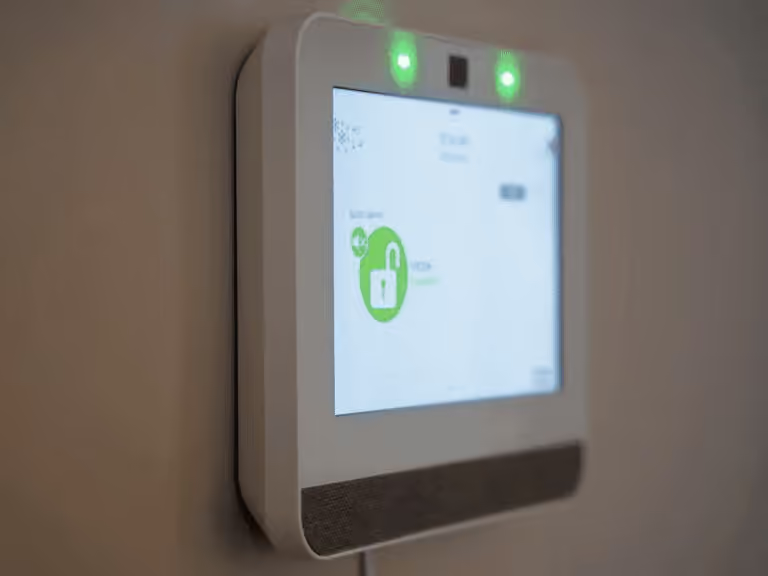
Correct installation, device settings and user training can reduce unwanted activations, but no system eliminates every false alarm. Investigate repeated events and follow the manufacturer’s maintenance guidance.
False alarms are more than just annoying. They can lead to fines from your local bylaw office, desensitize your household to real alerts, and in some cities, repeated false dispatches can even affect how quickly monitoring stations respond. The good news is that nearly every cause is easy to diagnose once you know where to look.
1. A Door or Window Isn’t Fully Closed
This is by far the most common trigger. Even a door that looks closed can leave enough of a gap for the contact sensor to read as “open,” especially if the frame has shifted slightly or weatherstripping has worn down.
Check the sensor and magnet against the exact model’s specified alignment and gap. A moving door or frame may require adjustment rather than a replacement sensor.
2. Low or Dying Batteries
Most wireless sensors run on small batteries that last one to two years. As they drain, sensors can send erratic signals or trip randomly before the low-battery warning even appears on your panel.
Fix: Replace batteries in door/window sensors, motion detectors, and glass-break sensors on a rotating schedule rather than waiting for a warning. Keep a log of installation dates if your system doesn’t track this for you.
3. Pets Triggering Motion Sensors
Standard motion detectors are sensitive to heat and movement, which means a cat jumping onto a windowsill or a large dog walking through a room can set off an alert, particularly at night when the house is otherwise still.
Fix: Look for pet-immune motion sensors, which are calibrated to ignore movement under a certain weight and height. Repositioning sensors away from furniture pets can climb also helps.
4. Loose or Poorly Placed Sensors
Sensors mounted with adhesive tape can shift slightly over time, especially with temperature changes. A sensor that isn’t sitting flush against the door or window frame is far more likely to misread its position.
Fix: Switch to screw-mounted sensors in high-traffic areas, and periodically check that nothing has come loose, particularly after seasonal temperature swings.
5. Wi-Fi or Signal Interruptions
If your alarm system is unable to reach your monitoring service, panels can sometimes register a fault or trigger a signal-loss alert that sounds like a false alarm. This is more common in homes with older routers, thick walls, or interference from other devices.
Fix: Confirm your panel is within reliable range of your router or cellular signal, and consider a signal booster if your property is large or has multiple floors.
6. Dust, Insects, or Debris in Motion Sensors
Spiders and dust are surprisingly frequent causes of false motion alerts, particularly in basements and garages where sensors are checked less often.
Fix: Wipe down sensor lenses every few months and check enclosures for webs or debris, especially before peak insect season.
7. Weather-Related Triggers
High winds can rattle doors, windows, and even loosely mounted signs near sensors, while sudden temperature shifts can affect certain older sensor types.
Fix: After a storm or major weather change, do a quick walkthrough to confirm doors and windows are properly sealed and sensors haven’t been knocked out of place.
8. User Error During Arming or Disarming
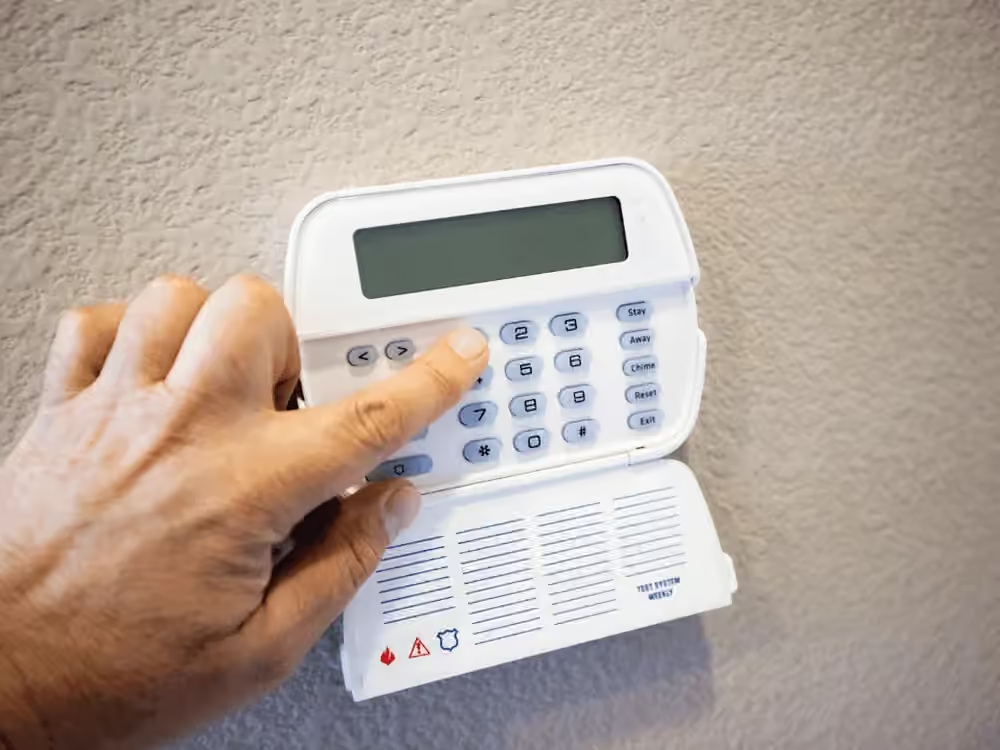
Entering the wrong code, arming the system while a door is still open, or exiting too slowly for the delay setting can all trigger an alarm that has nothing to do with equipment.
Fix: Make sure every household member knows the correct code and understands entry/exit delay timing. If timing is consistently an issue, your delay windows can usually be adjusted.
How to Stop False Alarms for Good
If false alarms keep happening despite checking the basics above, it’s often a sign your home alarm system is outdated, undersized for your property, or was installed without accounting for pets, layout, or Wi-Fi coverage. A professional inspection can usually identify the exact sensor or setting causing repeat issues, rather than leaving you to guess room by room.
Pairing Your Alarm With Video Verification
One of the most effective ways to cut down on false alarms is adding video verification, where a camera confirms what actually triggered the alert before anyone panics or a monitoring centre dispatches emergency services. A properly planned security camera setup lets you check your phone in seconds and see exactly what set off the sensor, whether it’s a delivery, a pet, or nothing at all.
FAQ
Why does my alarm go off in the middle of the night for no reason?
Nighttime false alarms are most often caused by pets moving through motion-sensor zones, drafts from doors or windows shifting a sensor’s position, or low batteries that trigger erratic signals when temperatures drop.
Can weather set off a home alarm?
Yes. High winds can rattle doors and windows enough to trip contact sensors, and sudden temperature changes can affect the accuracy of older sensor models.
How do I know which sensor is causing the false alarm?
Most panels display a zone number or sensor name when triggered. Check your system’s event log or app history, which usually records exactly which sensor tripped and at what time.
Should I turn off a sensor that keeps false alarming?
Disabling a sensor removes that area’s protection entirely, so it should only be a short-term fix while you diagnose the real cause, not a permanent solution.
Record the Zone and Event Type
Note the panel’s event message, zone and time before changing settings. A communication trouble alert is different from an intrusion activation. Repeated faults, damaged equipment or uncertain instructions are reasons to arrange service.
For help planning the work, explore home alarm installation and contact Alarmto with your property and equipment details.