Search on this blog

Search on this blog

  • 888-532-2233

    Security Expert (416) 826-2233

Alarmto technician adjusting a security camera angle during installation in Toronto

Do You Need a Permit to Install Security Cameras in Toronto?

If you’re planning a security camera installation for your Toronto home, the first question most people ask is simple: do I need a permit? The short answer is no, the City of Toronto does not require a permit to install security cameras on private residential property. But that doesn’t mean anything goes. There are privacy rules you’re expected to follow, and ignoring them can still lead to complaints, disputes, or legal trouble.

This guide breaks down exactly what Toronto’s rules say, what privacy laws apply, and how to set up your cameras the right way from day one. At Alarmto, our technicians walk through these same considerations on every residential job, so you’re not just getting cameras mounted, you’re getting a setup that’s actually compliant from the start.

Is a Permit Required for Security Cameras in Toronto?

According to the City of Toronto, private residential properties are not regulated when it comes to security camera use, but the city does publish a set of best practices for homeowners to follow. These guidelines exist to protect the privacy of your neighbours and anyone passing by your property, even though no formal approval process is required before you install.

In other words, you’re free to move forward with a security camera installation without applying for a city permit first. What matters more is how you set the system up once it’s in place.

Toronto Security Camera Privacy Laws You Need to Know

Even without a permit requirement, your camera use in Toronto is still shaped by a mix of municipal guidance and federal privacy law, mainly the Personal Information Protection and Electronic Documents Act (PIPEDA). Here’s what that means in practice:

Keep your cameras pointed at your own property. Driveways, front doors, garages, and yards are fair game. Angling a camera toward a neighbour’s window, backyard, or shared walkway is where problems start, and it’s one of the most common reasons homeowners receive complaints. This is one of the first things an Alarmto technician checks during setup, every camera angle is reviewed on site before the job is considered done, not just eyeballed from a ladder.

Be careful with audio. Recording conversations without consent is against the law in Canada. Most residential systems are safest with audio recording turned off, or clearly disclosed if it stays on.

Store footage responsibly. Set a reasonable retention period, delete recordings you no longer need, and secure your system with strong passwords and two-factor authentication where it’s available. Cameras that get hacked can cause far more harm than the theft they were meant to prevent.

Consider posting a sign. It’s not mandatory for residential properties, but a small sign noting that the area is under video surveillance shows good faith and can help avoid disputes before they start.

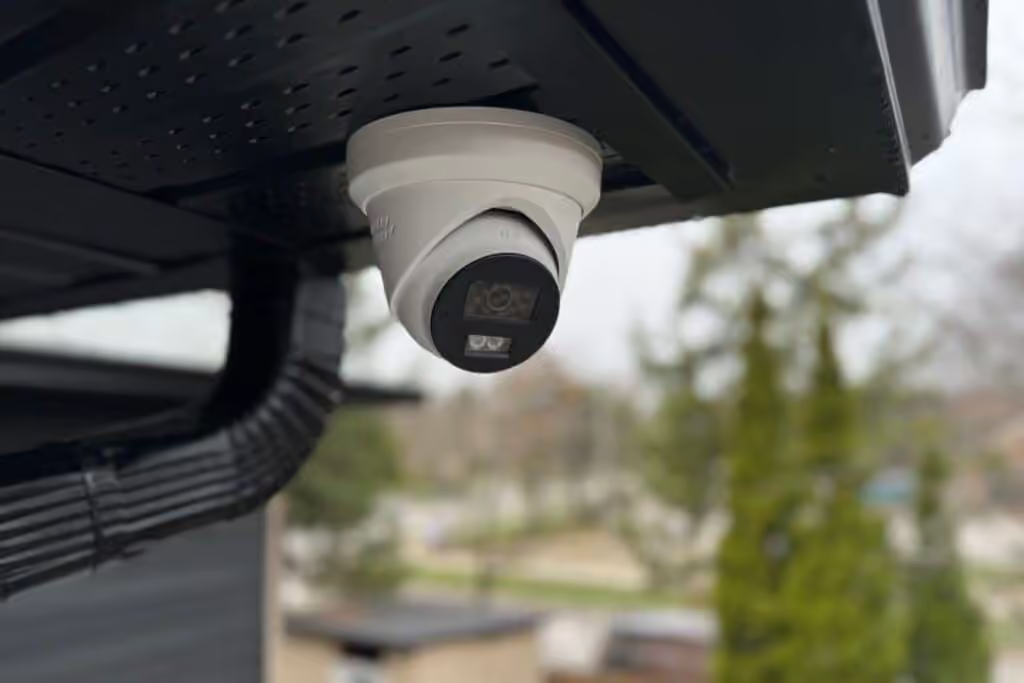
Security camera properly angled toward a home's own driveway and entrance in Toronto

Do Businesses Need a CCTV Permit in Toronto?

Commercial properties generally follow the same starting point, no special municipal permit for the cameras themselves, but the bar for compliance is higher. Businesses that record customers, staff, or visitors are collecting personal information under PIPEDA, which means being transparent about why cameras are in use, limiting who can access footage, and making sure recordings are only used for legitimate purposes like theft prevention or safety.

If you’re installing a system for a storefront, office, or multi-unit building, it’s worth having a professional walk through placement and retention policy with you, since the privacy expectations shift depending on the space. Alarmto’s technicians handle both residential and commercial installations across the GTA and can flag these compliance details before a single camera goes on the wall.

What Happens If You Break Toronto’s Camera Privacy Rules?

Skipping these guidelines doesn’t usually trigger a fine on its own, since there’s no permit to violate. What it does is open the door to neighbour disputes. If someone believes your camera is capturing more than your own property, the city’s recommended first step is a direct conversation. If that doesn’t resolve things, mediation services are available before it escalates further. Avoiding that situation entirely just comes down to thoughtful placement from the start.

How to Install Security Cameras the Right Way in Toronto

Most of the disputes and gray areas around home security cameras come down to one thing: placement. A camera aimed a few degrees too wide, or set up without a clear plan, is what turns a simple upgrade into a neighbour complaint. This is exactly where a professional security camera installation service makes a difference, proper angling, coverage planning, and setup that protects your property without stepping on anyone else’s privacy.

Alarmto’s security camera installation technicians handle this on every job across Toronto and the GTA: assessing your property, planning camera placement, and making sure your system is set up the right way the first time, no guesswork, no comeback visits to fix an angle that should have been right from the start.

Frequently Asked Questions: Security Camera Permits in Toronto

Do I need a permit to install security cameras in Toronto?

No. The City of Toronto does not require a permit for cameras installed on private residential property.

Can my security camera record my neighbour’s yard?

No. Cameras should be limited to your own property to avoid violating your neighbour’s privacy.

Is it legal to record audio with my security cameras?

Recording conversations without consent isn’t permitted under Canadian law, so most residential systems keep audio disabled.

Do businesses need a permit for CCTV in Toronto?

Generally no, but businesses have stricter privacy obligations under PIPEDA since they’re recording the public and employees, not just their own property.

What should I do if my neighbour’s camera faces my property?

The City recommends speaking with your neighbour directly first. If the issue isn’t resolved, mediation services are available.

Getting your security camera installation right from the start saves you from complaints down the road, and gives you the coverage you actually need.

Ready to install security cameras the right way? Contact Alarmto today for a free consultation, our technicians handle everything from placement to setup, so your system is compliant, effective, and ready from day one.

ALARMTO SMART

    Leave a Reply

    Your email address will not be published. Required fields are marked *

    WhatsApp Chat