

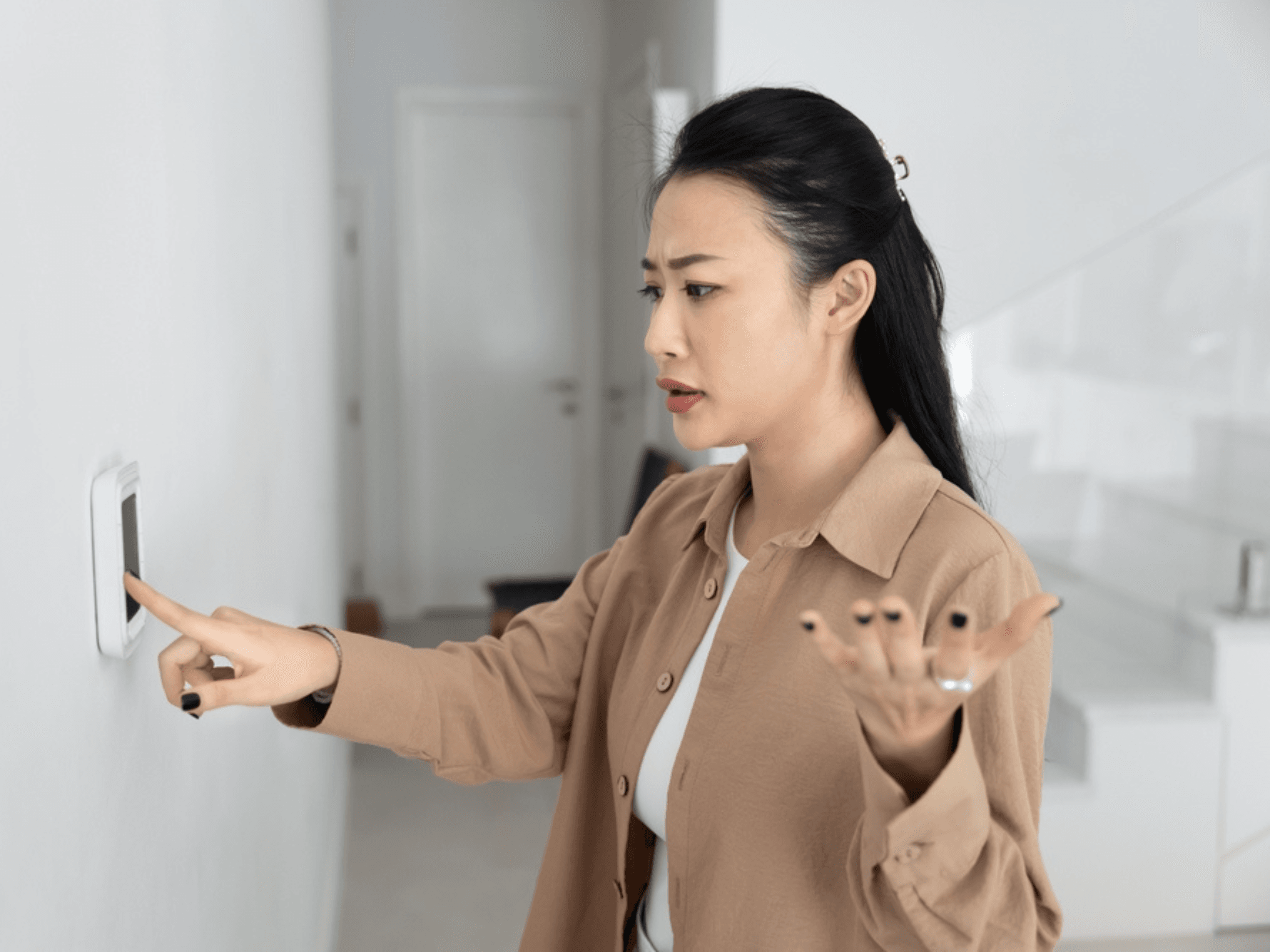
What Happens When Your Home Alarm Goes Off? A Step-by-Step Guide for Homeowners
Hearing your home alarm go off can be stressful, especially if you are not sure what caused it or what you should do next. Whether you are at home, at work, or away on vacation, understanding how your alarm system responds can make the situation much easier to handle. A modern alarm system does more than sound a siren. Depending on the equipment and services connected to it, an alarm can detect an event, notify you through your phone, and send a signal to a professional monitoring centre. Here is what typically happens when a home alarm is triggered.
1. A Sensor Detects an Event
The process begins when one of the sensors in your security system detects activity. This could be a door or window opening, motion inside the home, or another event detected by a security device. Depending on the system, sensors can also monitor conditions such as smoke, carbon monoxide, or water. For example, if your alarm is armed and someone opens a protected exterior door, the door sensor sends a signal to the alarm panel. The system then determines how that sensor has been programmed to respond.
2. The Alarm System Processes the Signal
Not every sensor activation immediately produces a loud alarm. Most systems can be programmed with different response settings. An entry door, for example, may have a short delay that gives you time to enter your code and disarm the system. If the system remains armed and the programmed conditions are met, the alarm will activate. This is one reason proper installation and programming matter. Sensors need to be placed and configured according to how your household actually uses the property.
3. The Alarm May Sound
When an alarm condition is confirmed, the local siren can activate. The sound is intended to alert people nearby and potentially discourage an intruder from remaining inside the property. But the siren is only one part of the response. What happens next depends on whether your system is connected to professional monitoring and what notifications or response procedures have been configured.
4. You May Receive a Mobile Notification
Many modern security systems can send alerts directly to a smartphone. Depending on your equipment, you may receive information about the type of event and which device or area of the home was affected. This can be particularly useful when you are away. For example, you might receive an alert that a door was opened while you are at work. Instead of discovering the event when you return home, you know about it almost immediately. Some systems also allow homeowners to remotely check the status of their security system through a mobile app.
5. A Professionally Monitored System Can Send the Signal to a Monitoring Centre
If your home has professional alarm monitoring, the alarm signal can also be transmitted to a monitoring centre. This adds another layer to the response process. Rather than relying entirely on the homeowner to notice an alert and decide what to do, a monitoring centre can receive the alarm signal and follow the response procedures associated with the account. For homeowners who want this additional support, a professionally monitored home alarm system can provide a more structured response when an alarm event occurs. The exact process depends on the monitoring provider, the type of alarm, and the instructions associated with the account.
6. The Alarm Event Is Assessed
When an alarm signal reaches a monitoring centre, the operator may receive information about the type of alarm and the affected zone or device. Depending on the circumstances and the monitoring procedures, the operator may contact the homeowner or designated contacts. For example, if a door sensor triggers an alarm while you are away, you may receive a call asking you to verify whether the event was expected. Keeping your contact information current is important. If your phone number or emergency contacts have changed, update your monitoring account so the response process is not delayed.
7. Emergency Services May Be Contacted
If an alarm event appears to represent a genuine emergency, the monitoring process may involve contacting the appropriate emergency service. The response can vary depending on whether the alarm involves a possible intrusion, fire, carbon monoxide, or another emergency. It is important to understand that an alarm activation does not necessarily mean police or emergency responders will automatically be dispatched. Procedures can vary based on the type of event, the monitoring service, local requirements, and the circumstances surrounding the alarm. This is why homeowners should understand the response procedure associated with their particular system.
What If You Trigger the Alarm by Accident?
False alarms are fairly common. You might accidentally open a protected door before disarming the system, enter the wrong code, or cause a motion sensor to activate. If this happens, stay calm and follow the instructions for your alarm system. If your system is professionally monitored, the monitoring centre may contact you to verify the event. Follow the appropriate verification procedure and provide the requested information. Learning how to arm and disarm your system before an emergency occurs can make accidental activations much less stressful.
What Happens If Your Alarm Goes Off While You’re Away?
This is one of the situations where a connected alarm system can be particularly useful. If you are at work, travelling, or simply away for the evening, a mobile notification can tell you that an alarm event has occurred. If your system includes security cameras, you may also be able to review video to better understand what is happening. However, it is important to remember that cameras and alarm systems serve different purposes. A camera can provide visual information, while alarm sensors are designed to detect specific events and trigger an alarm response. If you receive an unexpected alarm notification while you are away, avoid rushing back to the property yourself. Follow your monitoring provider’s response procedure and contact emergency services when appropriate.
How Can You Reduce False Alarms?
A few simple habits can help reduce unnecessary alarm activations.
Make sure everyone knows how to use the system. Anyone who regularly enters the home should understand how to arm and disarm it.
Keep doors and windows properly secured. A loose or improperly closed door can sometimes cause unnecessary alerts.
Pay attention to recurring sensor problems. If the same sensor repeatedly triggers an alarm without a clear reason, it may need adjustment, maintenance, or replacement.
Keep your contact information updated. Your monitoring provider should have current phone numbers and emergency contacts.
Review your system periodically. As your household changes, your security needs may change as well. A system that worked well several years ago may need additional sensors, updated equipment, or different programming.
The Bottom Line
When a home alarm goes off, the response can involve several steps: a sensor detects an event, the alarm system processes the signal, the local alarm may sound, and you may receive a notification or a call from a monitoring centre. The exact process depends on the equipment, configuration, and monitoring service you use. The important thing is to know what your system is designed to do before an alarm happens. Understanding your alerts, knowing how to disarm the system, keeping contact information current, and having a clear response plan can make an unexpected alarm much easier to manage. If you are reviewing your current setup or looking for a system that fits the way your household operates, you can learn more about home alarm systems and the options available for your home.