

Security cameras have become one of the most important tools for protecting homes and businesses. Whether you want to prevent theft, monitor your property remotely, or improve overall security, installing a professional surveillance system can make a huge difference.
However, the effectiveness of your system does not only depend on the cameras themselves. Choosing the right security camera installation company is just as important. A poorly designed system may leave blind spots or fail to capture important details when an incident happens.
In this guide, we will explain what you should look for when selecting a professional security camera installation company.
Experience Matters in Security Camera Installation
Installing security cameras may look simple, but designing an effective surveillance system requires experience and technical knowledge.
Professional installers understand how to analyze a property and determine the best camera locations. For example, entrances, driveways, parking areas, and blind corners are common places where cameras should be installed.
An experienced installation company will also know how to position cameras at the correct height and angle to capture clear images while minimizing obstructions such as trees, walls, or bright lighting conditions.
When you hire an experienced security camera installer, you reduce the risk of poor coverage or unreliable footage.
Quality of Cameras and Equipment
Not all security cameras are created equal. The quality of the equipment used in your surveillance system plays a major role in how effective it will be.
Modern security cameras often include features such as high-definition video, night vision, motion detection, and remote access through mobile apps. These features allow property owners to monitor their homes or businesses in real time from anywhere.
For example, high-resolution cameras make it easier to identify faces, vehicles, or license plates. Night vision ensures that cameras continue to capture clear footage even in low-light conditions.
A professional installation company should recommend equipment that matches the security needs of your property.
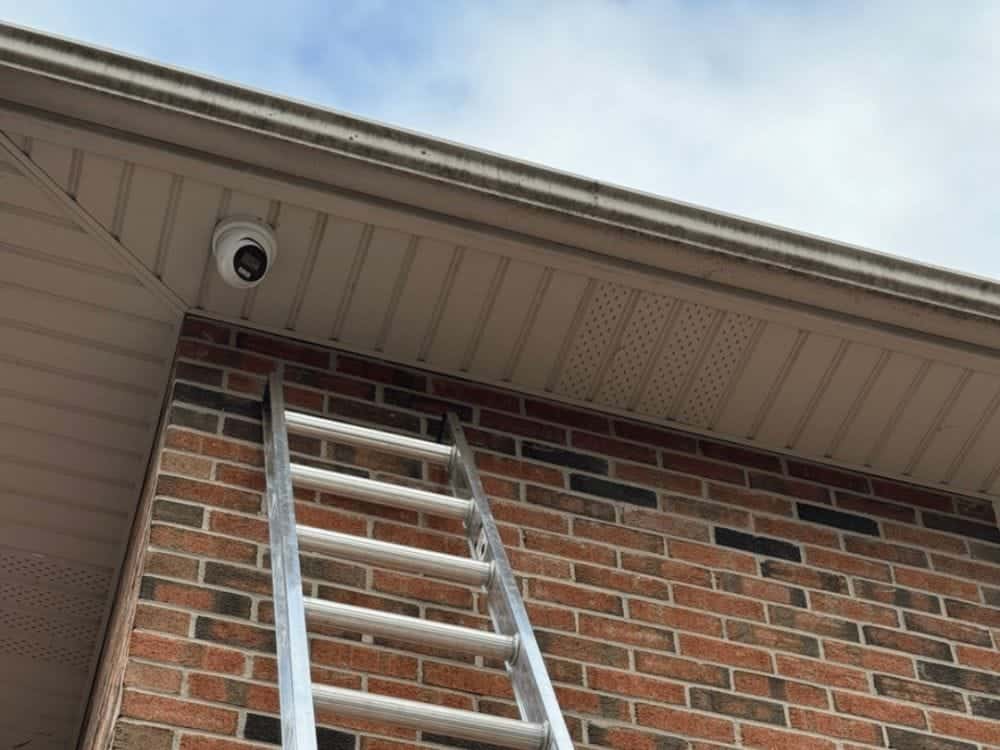
Customized Security Solutions for Every Property
Every home and business has different security challenges. A small residential property may require only a few cameras, while a large commercial building may need a more advanced surveillance network.
A reliable installation company will first evaluate your property before recommending a system. They may examine factors such as entry points, lighting conditions, property size, and areas that require constant monitoring.
This customized approach helps ensure that every important area is covered and that the security system works effectively for your specific situation. If you need professional security camera installation in Toronto or the GTA, our team can help design and install a system that fits your property’s security needs.
Importance of Professional Installation
Proper installation is one of the most important factors in the performance of a security camera system.
Incorrect wiring, poor camera placement, or weak network configuration can reduce the effectiveness of the system. In some cases, it may even cause cameras to stop recording or disconnect from remote monitoring apps.
Professional installers make sure that cameras are securely mounted, cables are protected, and the system is configured properly. They also test the system to confirm that every camera is functioning correctly.
This level of attention helps ensure long-term reliability.
Check Reviews and Company Reputation
Before choosing a security camera installation company, it is always a good idea to check online reviews and customer feedback.
Reviews can provide insight into the company’s professionalism, installation quality, and customer support. Companies with a strong reputation often have many satisfied customers who share positive experiences.
Consistent positive feedback is usually a good sign that the company provides reliable service and high-quality installations.
Ongoing Support and Maintenance
Security systems require occasional maintenance to keep them functioning properly. Software updates, camera adjustments, or troubleshooting may be necessary over time.
A good security camera installation company should offer support after installation. This ensures that if a problem occurs, you can quickly get assistance and keep your system running smoothly.
Reliable support is especially important for businesses that depend on continuous surveillance.
Final Thoughts
Choosing the right security camera installation company can significantly impact the effectiveness of your security system. A professional installer will help design a surveillance system that covers critical areas, uses high-quality equipment, and functions reliably over time.
Whether you are protecting a home, office, retail store, or commercial property, a well-planned security camera system can help deter crime, monitor activity, and improve overall safety.
Security camera installation is becoming increasingly popular in cities like Toronto and across the GTA, where property owners are looking for better protection and remote monitoring for their properties.
Working with an experienced security camera installation company ensures that your system is installed correctly and provides reliable protection for years to come.
What is the average cost of security camera installation?
The cost depends on the number of cameras, equipment quality, property size, and installation complexity.
How many security cameras are typically needed for a property?
Most homes usually require 3–6 cameras, while businesses or larger properties may need more cameras to cover entrances, parking areas, and important interior spaces.
